
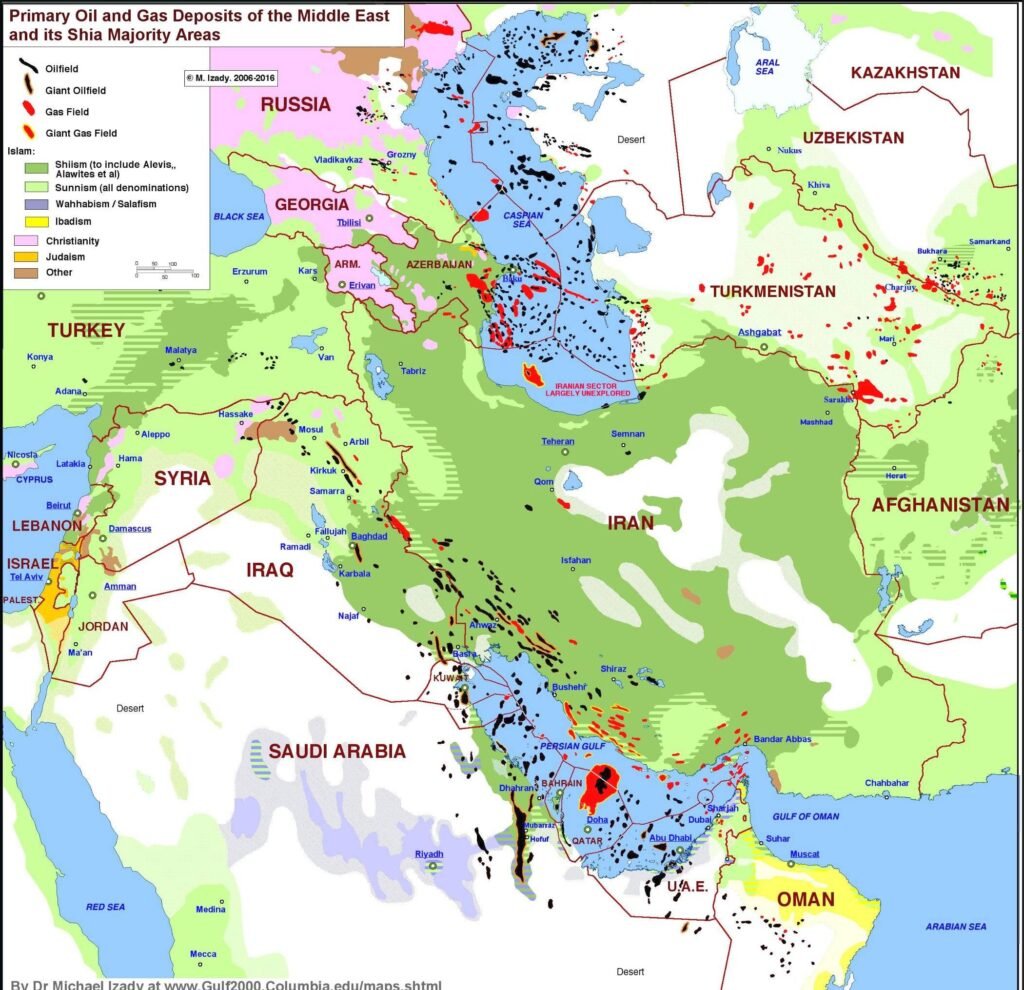
The Persian Gulf has long been the beating heart of the global energy system. Countries such as Saudi Arabia, the United Arab Emirates, Kuwait, Iraq, and Qatar supply a massive share of the world’s oil and natural gas. For decades, this region has powered industries, transportation systems, and economies across continents.
Today, however, this dependence is being tested like never before.
The ongoing conflict involving the United States and Iran has pushed the global energy system into crisis. At the center of this crisis lies one narrow waterway that most people have never seen but that the entire world depends on the Strait of Hormuz.
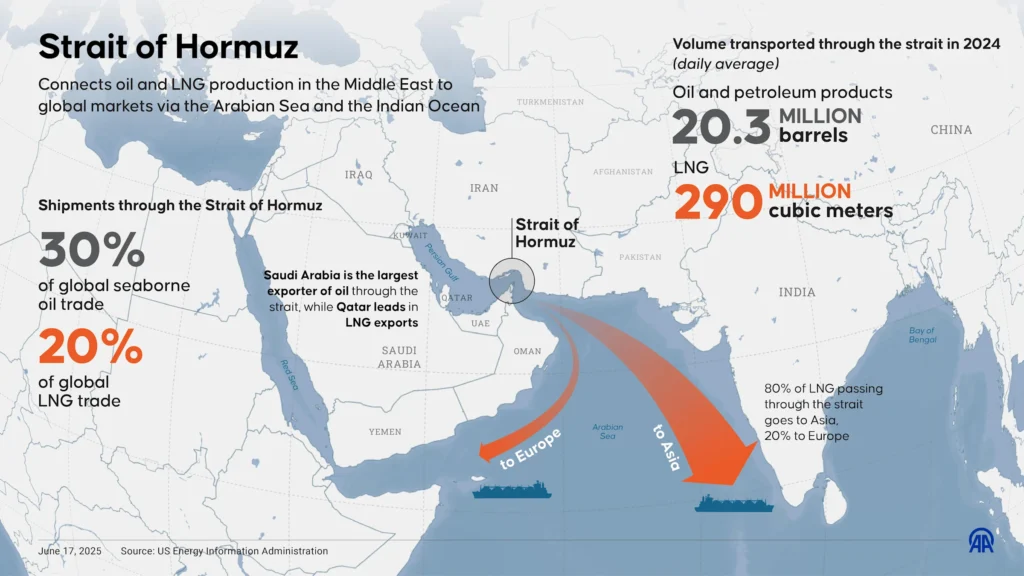
The Strait of Hormuz A Global Lifeline
The Strait of Hormuz is one of the most important chokepoints in the world. Roughly 20 percent of global oil and significant volumes of natural gas pass through it every day.
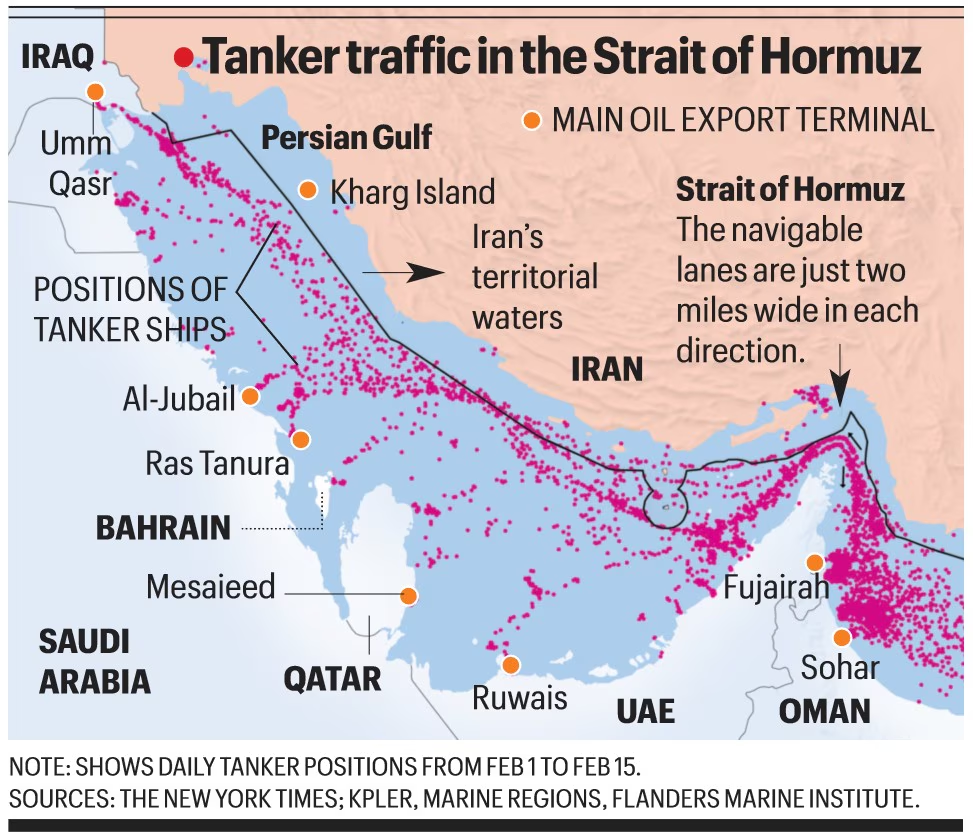
In early 2026, the situation escalated dramatically. Following military strikes and retaliation in the US–Iran war, Iran effectively restricted or disrupted shipping through the strait. Tanker traffic dropped sharply, and in some periods almost halted completely.
This was not just a regional disruption. It removed a huge portion of global energy supply almost overnight.
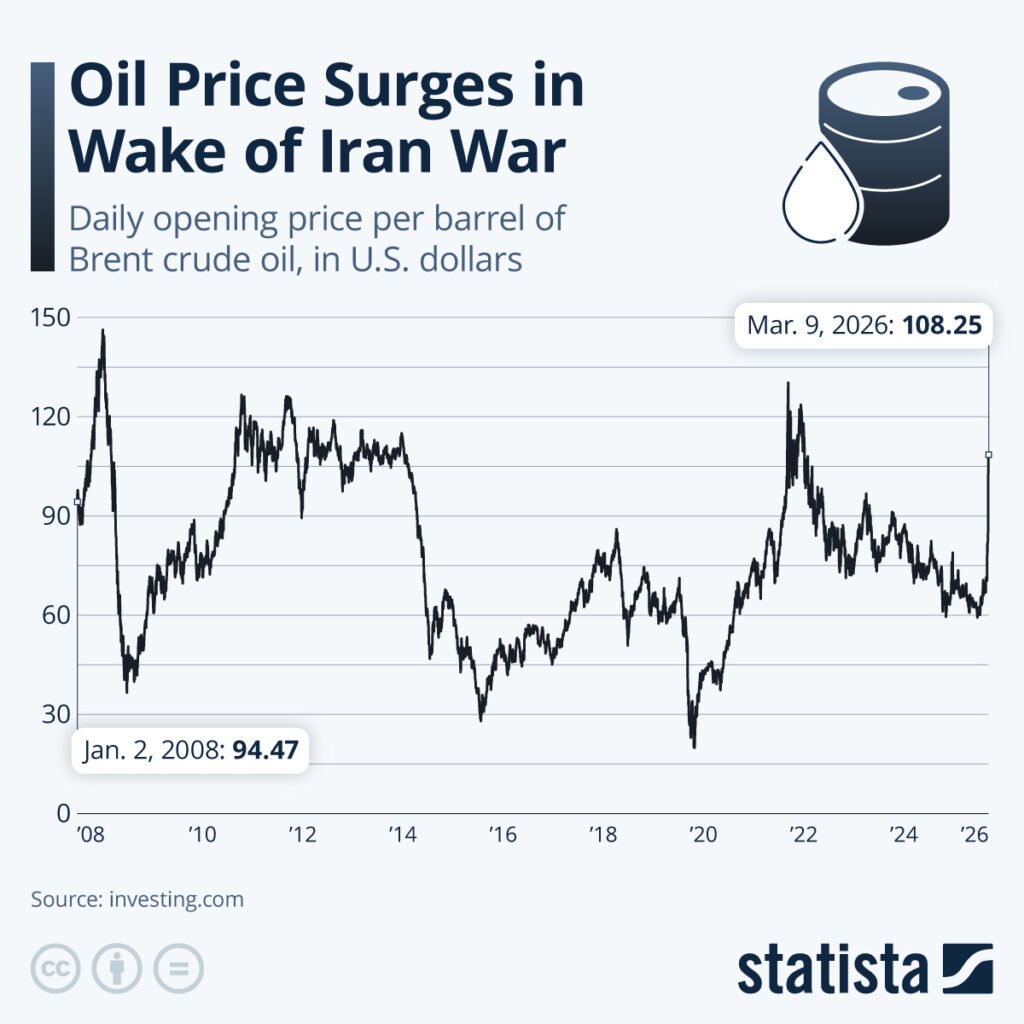
As a result, oil prices surged above 100 dollars per barrel, at times reaching well over 110 dollars and even nearing 120 dollars during peak tensions.
This has created what many experts are calling the most serious global energy shock in decades.
Why Some Countries Are Hit Harder Than Others
Not all countries are affected equally. The impact depends on how much a country relies on Persian Gulf oil and gas. The more dependent a country is, the more vulnerable it becomes during a crisis like this.
Asia The Most Exposed Region
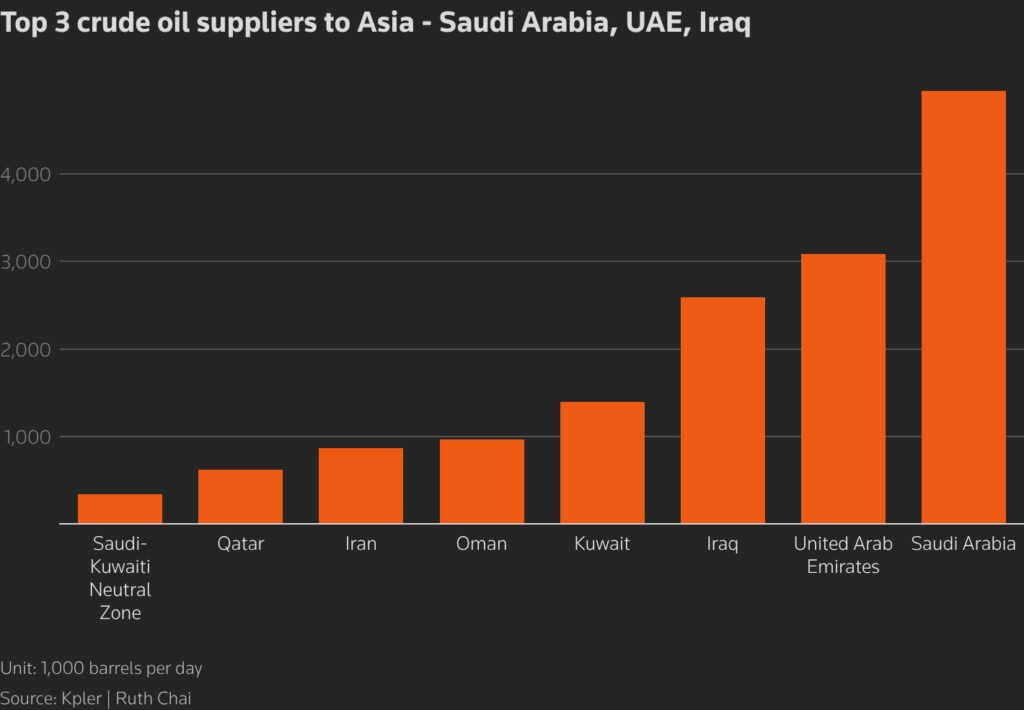
Asia is at the center of this crisis because it receives the majority of Persian Gulf exports.
Countries such as Japan, South Korea, China, and India together account for a large share of Gulf oil imports. In fact, around 80 percent of Gulf oil exports typically go to Asia.
Japan is one of the most vulnerable nations. It imports almost all of its oil, with over 90 percent coming from the Persian Gulf. Any disruption immediately threatens its energy security and economic stability.
South Korea faces a similar challenge. Its industries depend heavily on imported oil, and a large portion of that comes from the Gulf. Rising prices directly increase manufacturing and export costs.
India, with its rapidly growing economy, imports more than 60 percent of its oil from Gulf countries. The current crisis has direct consequences for inflation, fuel prices, and economic growth.
China, although more diversified, still depends heavily on the region. A significant share of its oil imports comes from the Gulf, making it vulnerable to supply disruptions and price shocks.
Smaller economies like Pakistan and Bangladesh are even more exposed because they lack the financial strength to absorb high energy prices.
Oil Prices and the Global Economic Shock
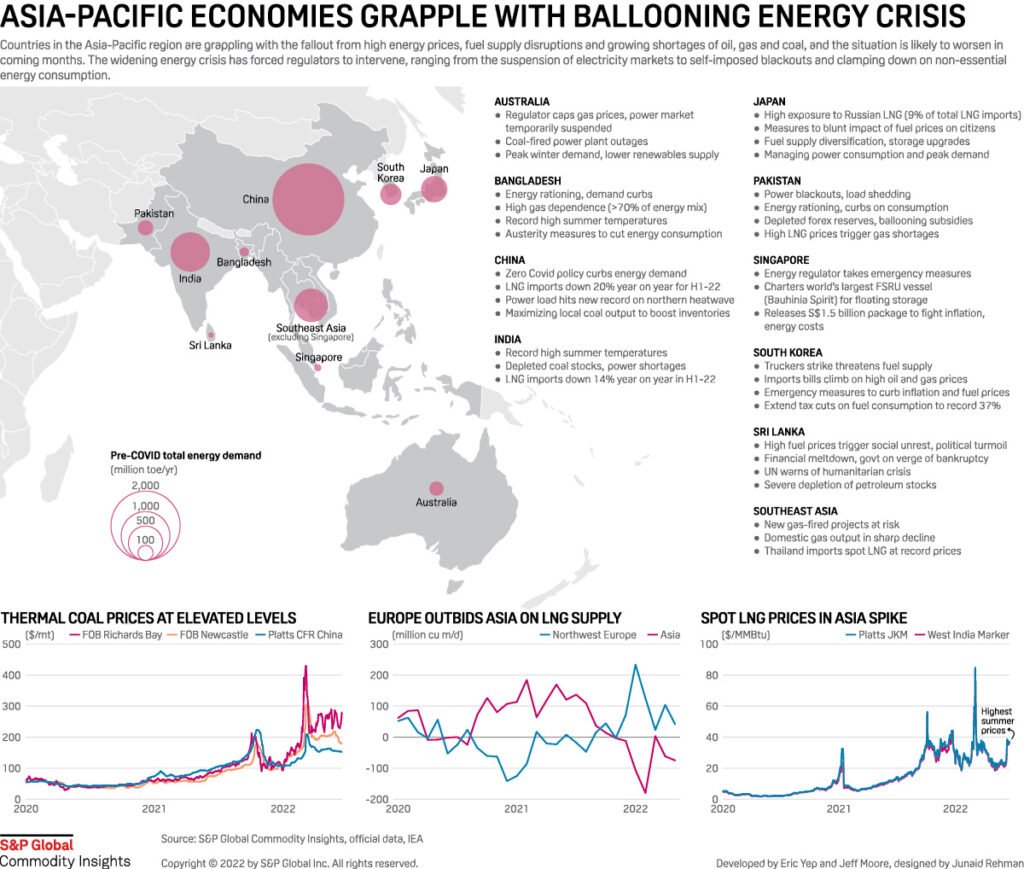
The ongoing war has triggered extreme volatility in oil markets. Prices have fluctuated sharply, sometimes rising above 110 dollars per barrel before dropping slightly due to temporary diplomatic signals.
But the overall trend remains clear. Energy has become more expensive.
This has several global consequences:
- Higher fuel prices for consumers
- Increased inflation across economies
- Rising transportation and food costs
- Slower economic growth worldwide
Energy experts warn that the crisis is already affecting global supply chains. Shipping costs have surged, and fewer tankers are willing to pass through the Strait due to security risks.
In simple terms, this is no longer just an oil issue. It is a full scale economic shock.
Europe and the United States Less Dependent but Still Affected
Europe is less dependent on the Persian Gulf compared to Asia, but it is not immune. Higher global oil prices still affect European economies, especially through inflation and energy costs.
The United States is even less directly dependent due to its domestic oil production. However, it cannot escape global price increases. Oil is traded globally, so disruptions anywhere affect prices everywhere.
Even in the US, gasoline prices have risen sharply due to the crisis.
This shows an important reality. Energy markets are interconnected, and no country is completely insulated.
Natural Gas A Growing Concern
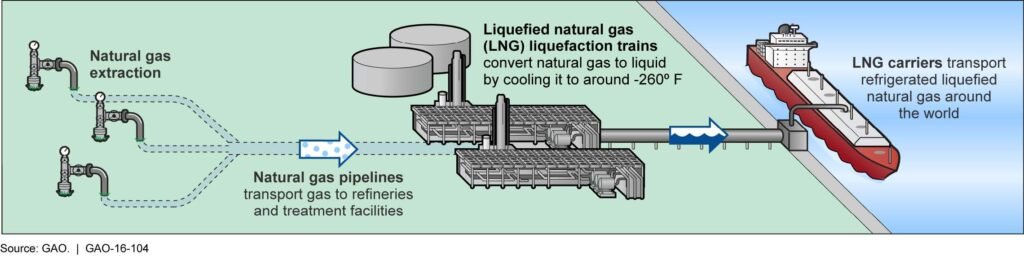
The crisis is not limited to oil. Liquefied natural gas supplies, especially from Qatar, have also been disrupted.
Damage to energy infrastructure and shipping constraints have reduced gas availability, pushing prices higher.
This is particularly important for countries like Japan and South Korea, which rely heavily on LNG for electricity.
The Bigger Risk What If the Strait Remains Blocked
The most dangerous scenario is a prolonged closure or disruption of the Strait of Hormuz.
If that happens, the consequences could be severe:
- A sustained loss of around one fifth of global oil supply
- Oil prices staying above 100 dollars for a long period
- Global inflation rising further
- Risk of economic slowdown or even recession
Some analysts have even compared the scale of this crisis to or beyond the oil shocks of the 1970s.
A Turning Point for Global Energy
This crisis has exposed a fundamental weakness in the global energy system. Too many countries depend heavily on a single region and a single chokepoint.
As a result, many nations are now accelerating efforts to diversify:
- Expanding renewable energy
- Investing in alternative suppliers
- Building strategic reserves
- Developing new transport routes
However, these changes take time. In the short term, the world remains deeply tied to the Persian Gulf.
Conclusion
The countries that depend most on Persian Gulf oil and gas are now at the center of a global crisis. Asia, especially Japan, South Korea, India, and China, faces the greatest risks due to its heavy reliance on Gulf energy.
The ongoing US–Iran war and the disruption of the Strait of Hormuz have shown just how fragile the global energy system can be. Oil prices have surged, supply chains have been shaken, and economies around the world are feeling the pressure.
This is more than a regional conflict. It is a reminder that energy security is global security.
Leave a Reply