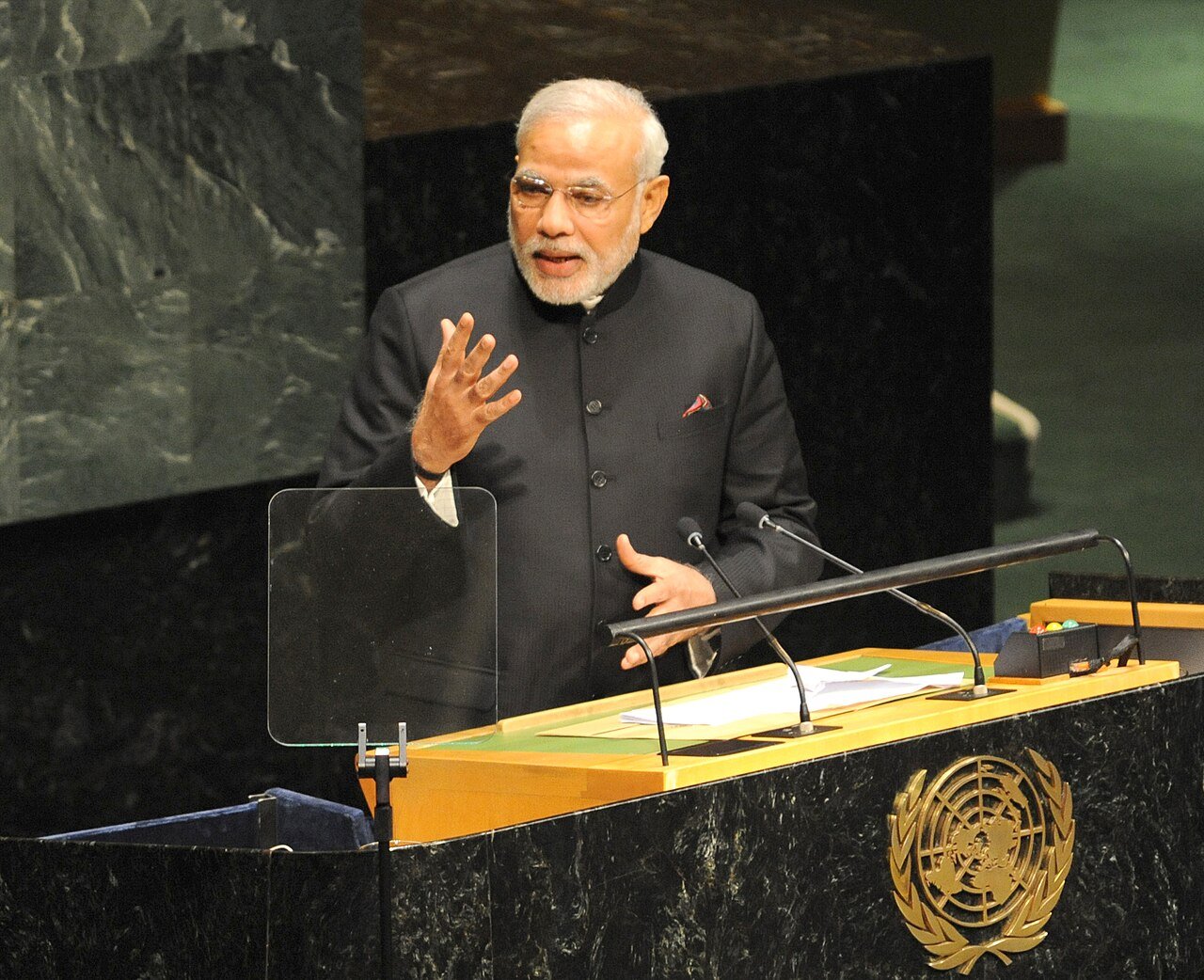
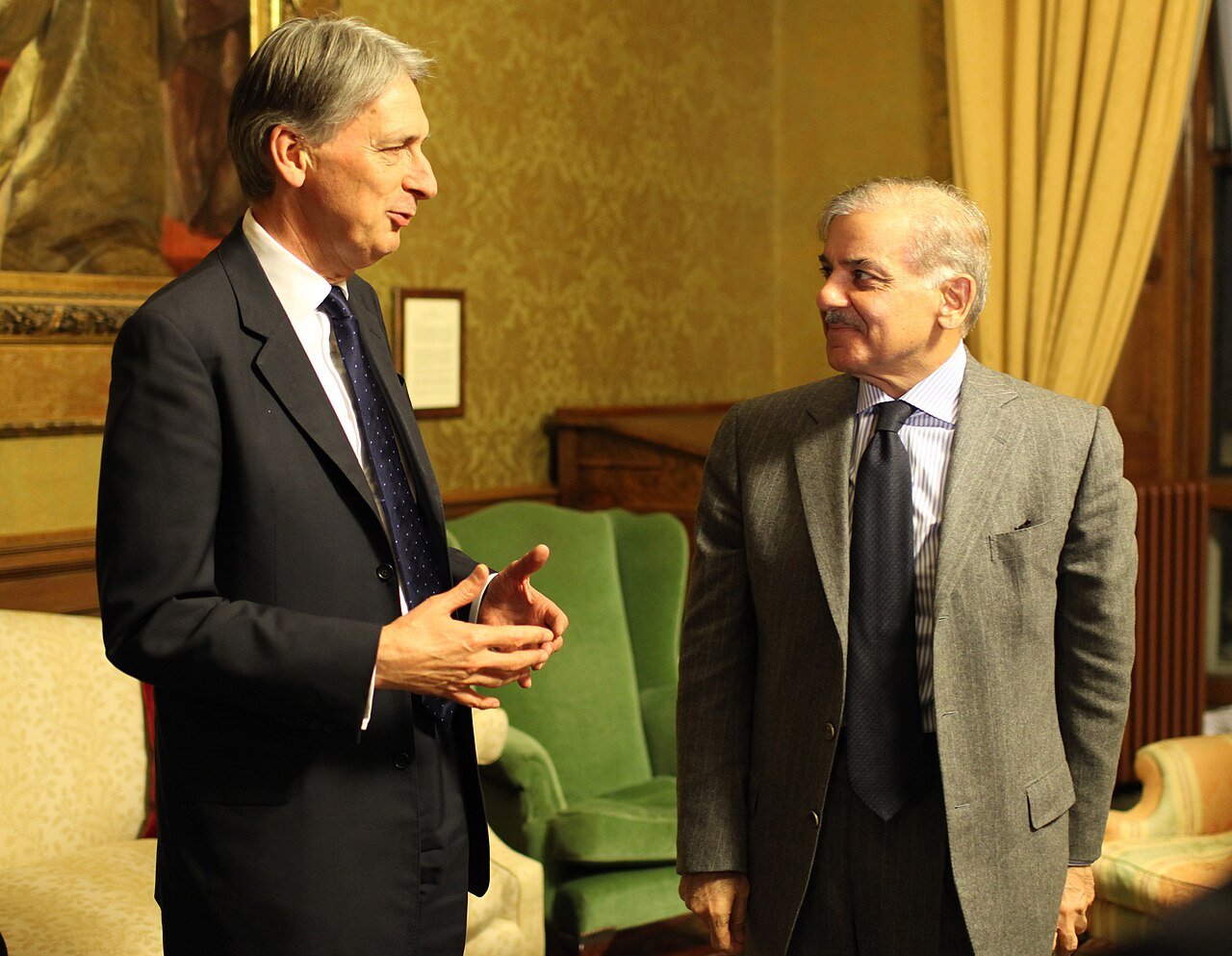
The recent Iran war revealed more than military tensions in West Asia, it exposed a clear contrast in diplomatic effectiveness between Pakistan and India. While India often portrays itself as an emerging global power, the crisis demonstrated that influence is measured not by rhetoric but by action. During one of the most consequential geopolitical confrontations of the year, Pakistan stepped forward and shaped events, while India remained largely invisible.
Pakistan’s role in the conflict was defined by proactive diplomacy. As tensions escalated between Iran and Western powers, Islamabad positioned itself as a credible mediator capable of communicating with all sides. Pakistani leaders engaged both Iran and international actors, pushing for de-escalation and facilitating dialogue during a critical moment. These diplomatic efforts contributed to the environment that ultimately produced a temporary ceasefire, preventing the conflict from spiraling into a wider regional war.
This was not simply symbolic diplomacy. Pakistan demonstrated something many countries struggle to achieve: strategic trust from opposing sides. Tehran viewed Pakistan as a neighbor with whom it could communicate, while Western powers saw Islamabad as a useful channel to deliver proposals and messages. That rare diplomatic position gave Pakistan a level of influence that few regional players possessed during the crisis.
In contrast, India’s role was strikingly muted. Despite its ambitions of becoming a leading voice in global affairs, New Delhi remained on the sidelines during the crisis. There were no major mediation initiatives, no visible diplomatic breakthroughs, and no clear attempt to shape the outcome of the conflict. For a country that frequently promotes itself as a “Vishwaguru” or global leader, this absence was difficult to ignore.
The irony is that India had far more at stake in the Iran war than Pakistan. The Strait of Hormuz, one of the world’s most critical oil routes is vital for India’s energy security. Millions of Indians live and work across the Gulf region, meaning any escalation in West Asia directly threatens both economic stability and the safety of its diaspora. Yet even with such significant interests involved, India failed to take a leadership role in the diplomatic process.
Pakistan, by contrast, recognized an opportunity and acted decisively. By stepping into the role of mediator, it not only contributed to de-escalation but also reshaped global perceptions of its diplomatic capabilities. For years, Pakistan has been portrayed internationally through the lens of security concerns and domestic instability. The Iran war offered Islamabad a chance to present a different image: that of a responsible regional actor capable of facilitating peace.
India’s cautious approach may have been motivated by its complicated network of alliances with countries on multiple sides of the conflict. However, diplomacy often rewards those willing to take calculated risks. By choosing restraint, India surrendered the diplomatic spotlight to others particularly Pakistan.
The result was a rare moment in which Pakistan overshadowed its much larger neighbor on the global stage. While India still possesses greater economic and geopolitical weight in the long term, the Iran war demonstrated that influence in international politics is not determined solely by size or ambition. It is determined by who is willing to step forward when the world needs leadership.
In this case, Pakistan stepped forward and India did not.
Leave a Reply