
The recent Israeli airstrikes in Lebanon have placed the fragile U.S. Iran ceasefire under severe strain, exposing the limits of diplomatic agreements in a region where conflicts overlap and alliances blur. The two week ceasefire brokered between Washington and Tehran was meant to halt a rapidly escalating war and stabilize the Middle East. Instead, Israeli military action against Hezbollah in Lebanon has reopened a dangerous question: can a ceasefire survive when key actors interpret its boundaries differently?
Escalating Israel–Hezbollah Tensions in Lebanon Could Undermine the U.S.–Iran Ceasefire
Within hours of the truce announcement, Israeli forces launched one of their most intense bombing campaigns of the current conflict, killing more than 200 people across Lebanon, including in densely populated areas such as Beirut and the Bekaa Valley. Reports indicate that the strikes triggered international condemnation and renewed fears of regional escalation. Israel argued that the ceasefire applied only to direct hostilities with Iran, not to its ongoing campaign against Hezbollah, the Iran backed militia operating from Lebanese territory. From Israel’s perspective, continuing strikes against Hezbollah was consistent with its long-standing doctrine of pre-emptive defense.
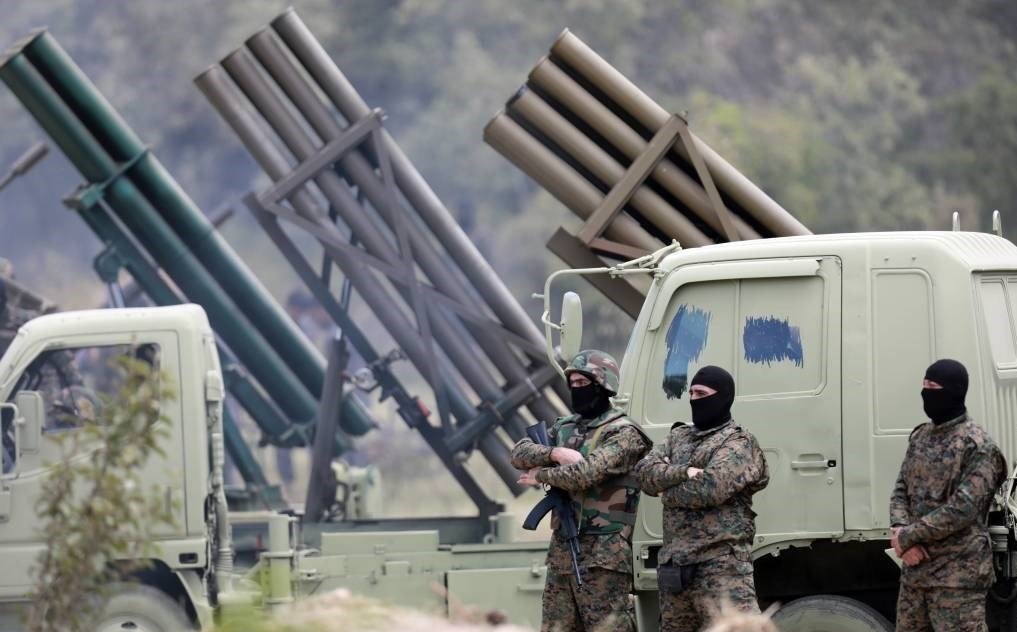
However, this legalistic interpretation has proven politically explosive. Iran and Pakistan, which played a role in mediating the ceasefire negotiations, insisted that Lebanon was implicitly included in the truce. For Tehran, Hezbollah is not merely a separate militia but part of a broader “axis of resistance.” Continued Israeli strikes on Lebanese territory therefore appear to Iran as a violation of the spirit, if not the letter, of the ceasefire.
This disagreement highlights a deeper structural problem in Middle Eastern diplomacy. Ceasefires that focus primarily on state actors often ignore the complex network of proxy groups and regional alliances that shape the battlefield. Hezbollah’s temporary pause in attacks during the ceasefire suggested that the militia initially respected the truce. Yet Israeli strikes risk pulling the group back into active confrontation, which in turn could draw Iran more directly into the conflict.
The humanitarian consequences are already severe. Officials from the United Nations have described the scale of civilian casualties from the strikes as “appalling,” warning that the attacks undermine the fragile peace process and may violate international humanitarian law. In Lebanon, a country already struggling with economic collapse and political paralysis, renewed bombardment deepens civilian suffering and displacement.
Strategically, the crisis carries global implications. The ceasefire also involved arrangements affecting maritime security in the Strait of Hormuz, a crucial corridor for global oil shipments. Continued regional escalation has already disrupted tanker traffic and pushed energy markets toward renewed volatility. If the truce collapses entirely, the conflict could quickly expand beyond Israel, Iran, and Lebanon into a broader regional confrontation.
Critics argue that Washington bears some responsibility for the ambiguity surrounding the agreement. By backing Israel’s interpretation that Lebanon was not included in the ceasefire, the United States risks appearing selective in its commitment to de escalation. This perception may weaken U.S. credibility as a mediator and encourage Iran to reconsider its compliance with the deal.
Ultimately, the crisis demonstrates that ceasefires without clearly defined geographic and political boundaries are inherently unstable. In a region where conflicts intersect, including the confrontation between Israel and Hezbollah as well as the broader rivalry between Israel and Iran, peace cannot be compartmentalized. Unless negotiations expand to address the Lebanese front directly, the current ceasefire may prove to be not a step toward peace but merely a pause before the next escalation.
Leave a Reply