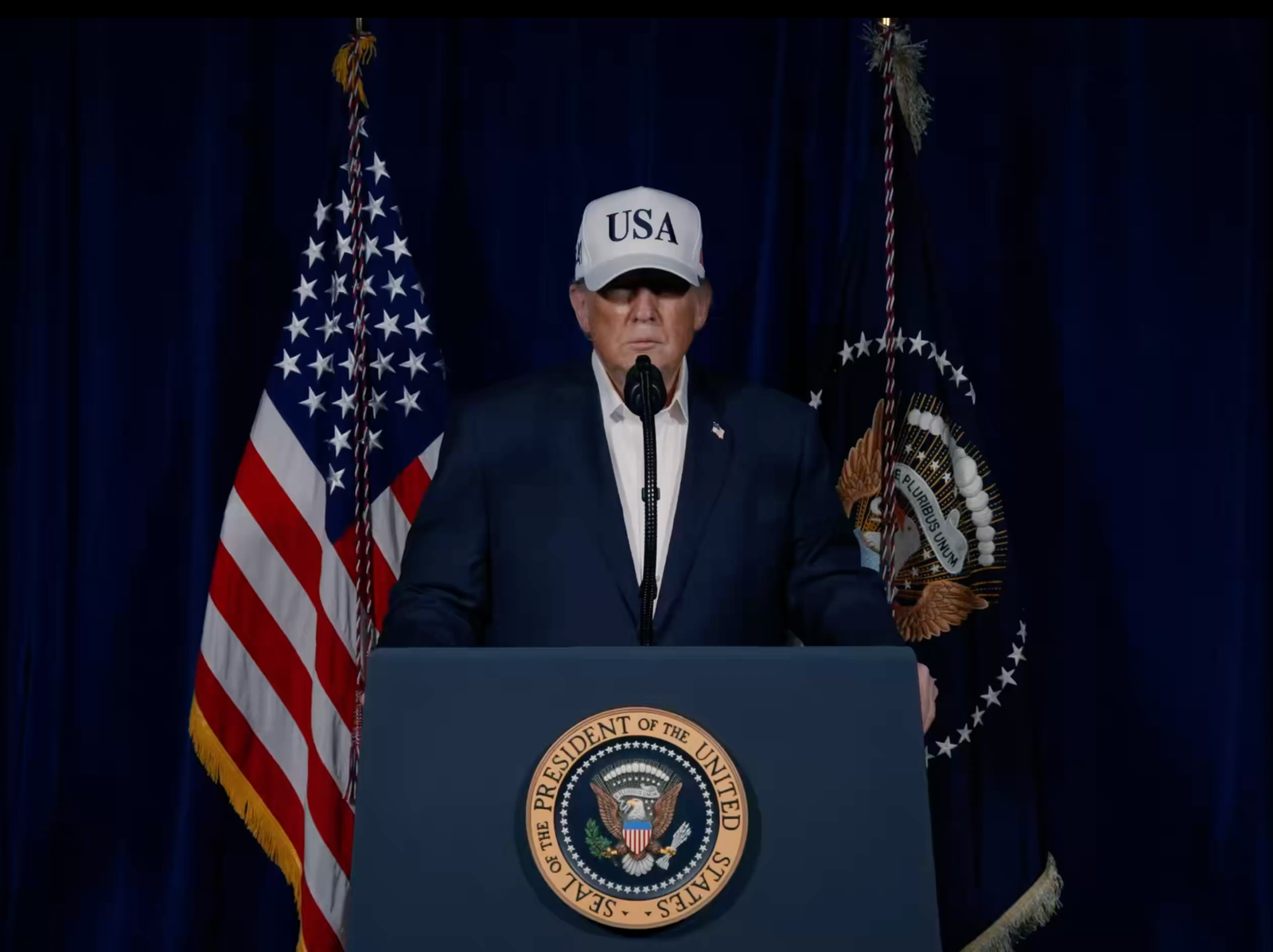
A fragile cease fire between the United States and Iran appears to be holding for now. After more than a month of intense confrontation that threatened to engulf the Middle East, the two rivals agreed to a temporary two-week truce that halted the immediate exchange of strikes and opened the door to diplomatic talks. Yet the agreement has also triggered a familiar pattern in modern conflict. Both sides are proclaiming victory while the deeper tensions remain unresolved.
The cease fire came at the eleventh hour. United States leaders had warned of wider attacks if Iran did not step back, while Tehran insisted it would resist any foreign pressure. The agreement, reportedly mediated through diplomatic efforts involving regional actors such as Pakistan, paused the fighting and created space for negotiations expected to begin soon.
From Washington’s perspective, the cease fire is proof that military pressure worked. American officials framed the deal as a total and complete victory, arguing that their strikes forced Iran to reconsider escalation and reopen vital shipping routes through the Strait of Hormuz.
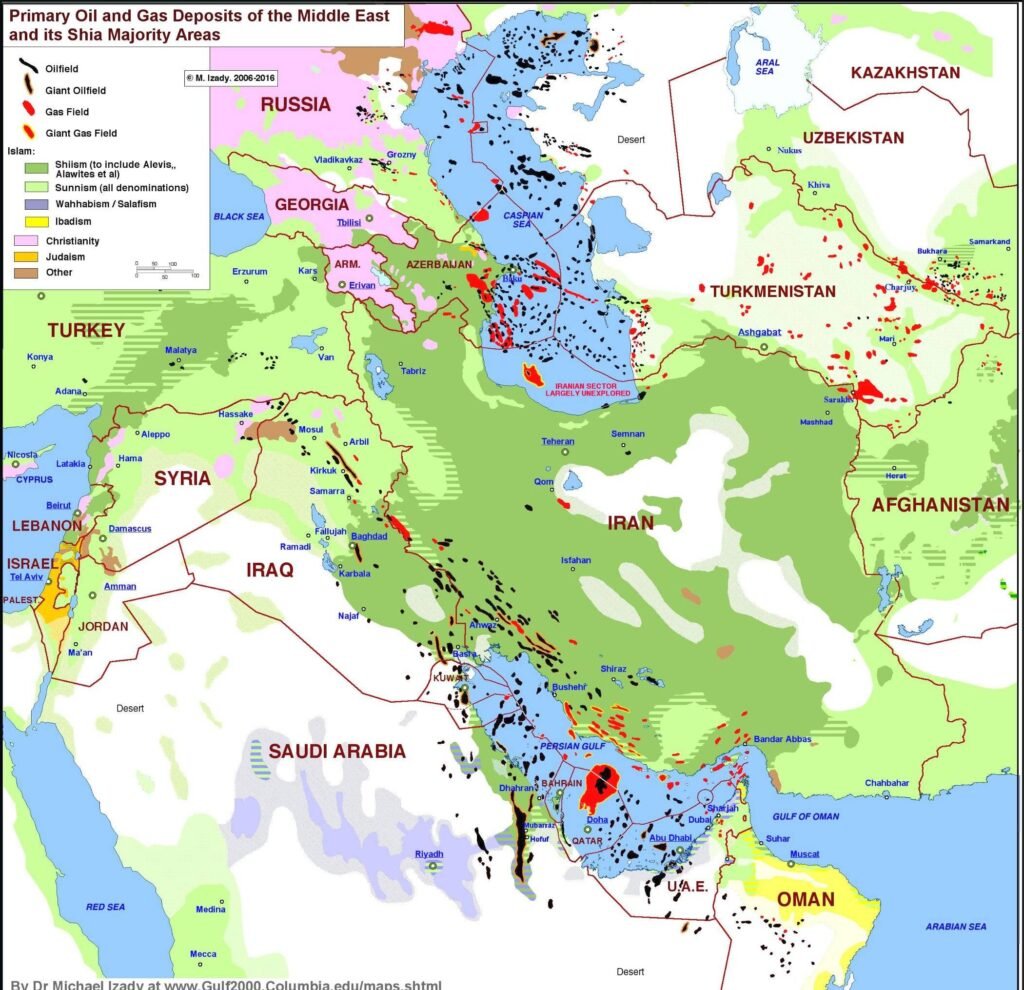
Iran, however, tells a very different story. Iranian officials say the cease fire demonstrates the failure of Western coercion, claiming that the United States ultimately accepted Tehran’s conditions. In Tehran’s narrative, the country stood firm under pressure and secured international recognition of its influence in the region.
These competing claims are not unusual. Cease fires that emerge from stalemates often allow both sides to frame events in their favor for domestic audiences. For political leaders, the appearance of victory can be just as important as the military reality. Declaring success reassures citizens, strengthens negotiating positions, and maintains national morale after costly confrontations.
However, beneath the rhetoric lies a more serious truth. The cease fire is temporary and fragile. Sporadic clashes and unresolved tensions across the wider region continue to threaten stability. Fighting connected to the broader Middle Eastern conflict has continued in nearby areas, highlighting how limited the current agreement may be.
Still, the truce has produced some immediate benefits. The pause in hostilities has reduced the risk of a wider regional war and eased pressure on global markets that had been shaken by the conflict. Oil prices, which surged during the confrontation, have begun to stabilize as fears of a prolonged disruption in the Strait of Hormuz decline.
International leaders have cautiously welcomed the cease fire as an important step toward de-escalation. Many governments view it not as a permanent solution but as a narrow window of opportunity. If diplomacy succeeds, it could lead to more stable relations and long-term negotiations. If it fails, the region could quickly slide back into confrontation.
Ultimately, the current situation reflects a common reality in global politics. Conflicts often end not with clear victories but with uneasy pauses. Both Washington and Tehran may claim they have won, but the real outcome will depend on what happens after this fragile calm.
If negotiations move forward successfully, the cease fire may be remembered as the first step toward stability. If they collapse, it may simply become a brief pause in a conflict that neither side has truly resolved.
Leave a Reply