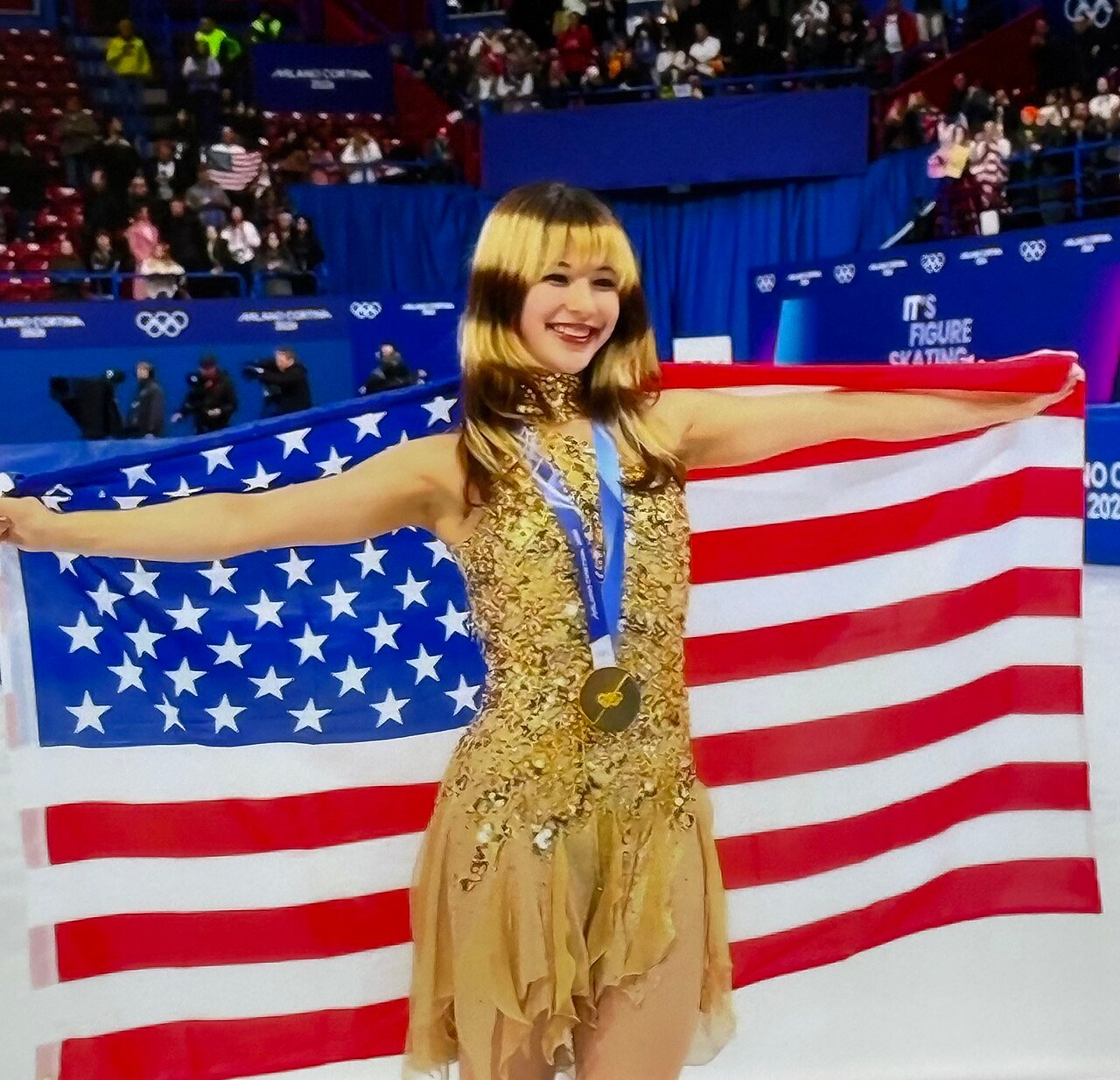
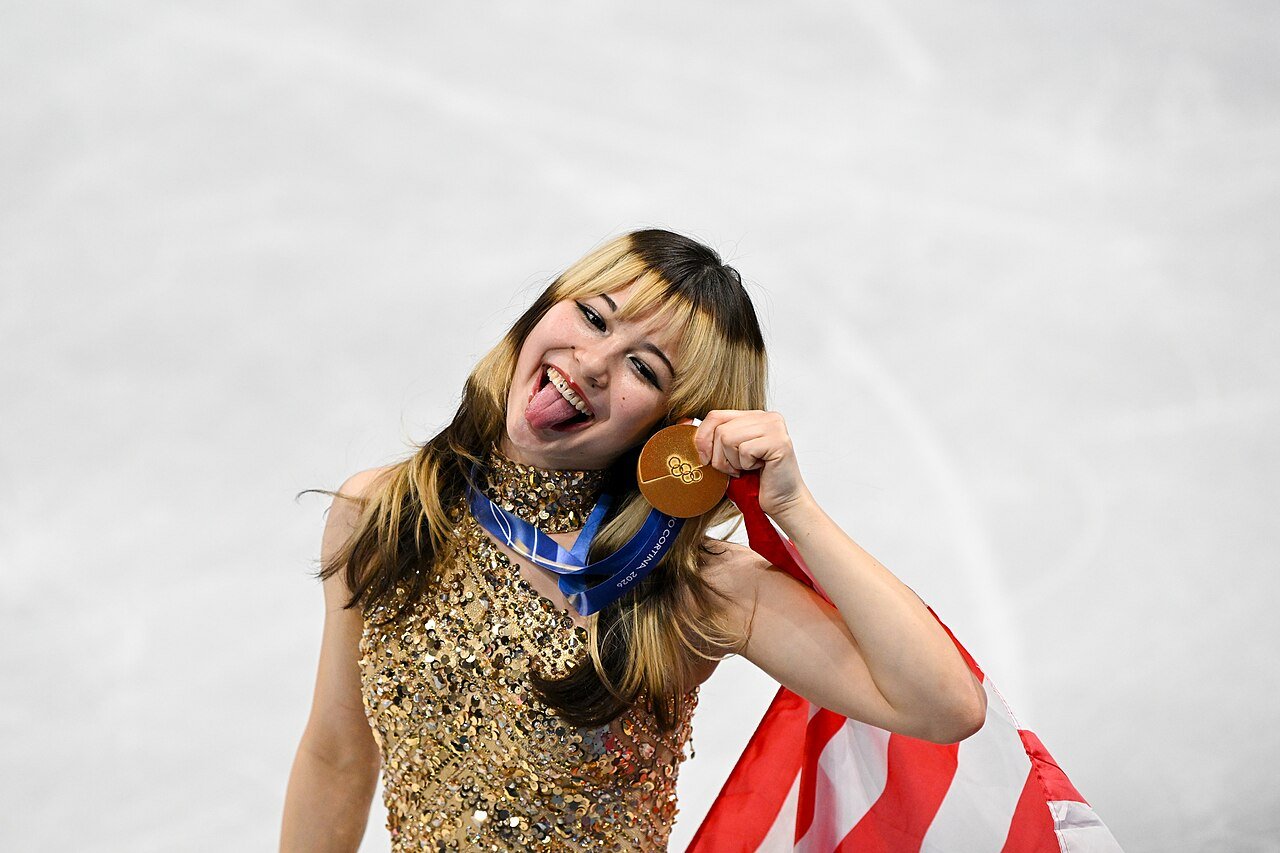
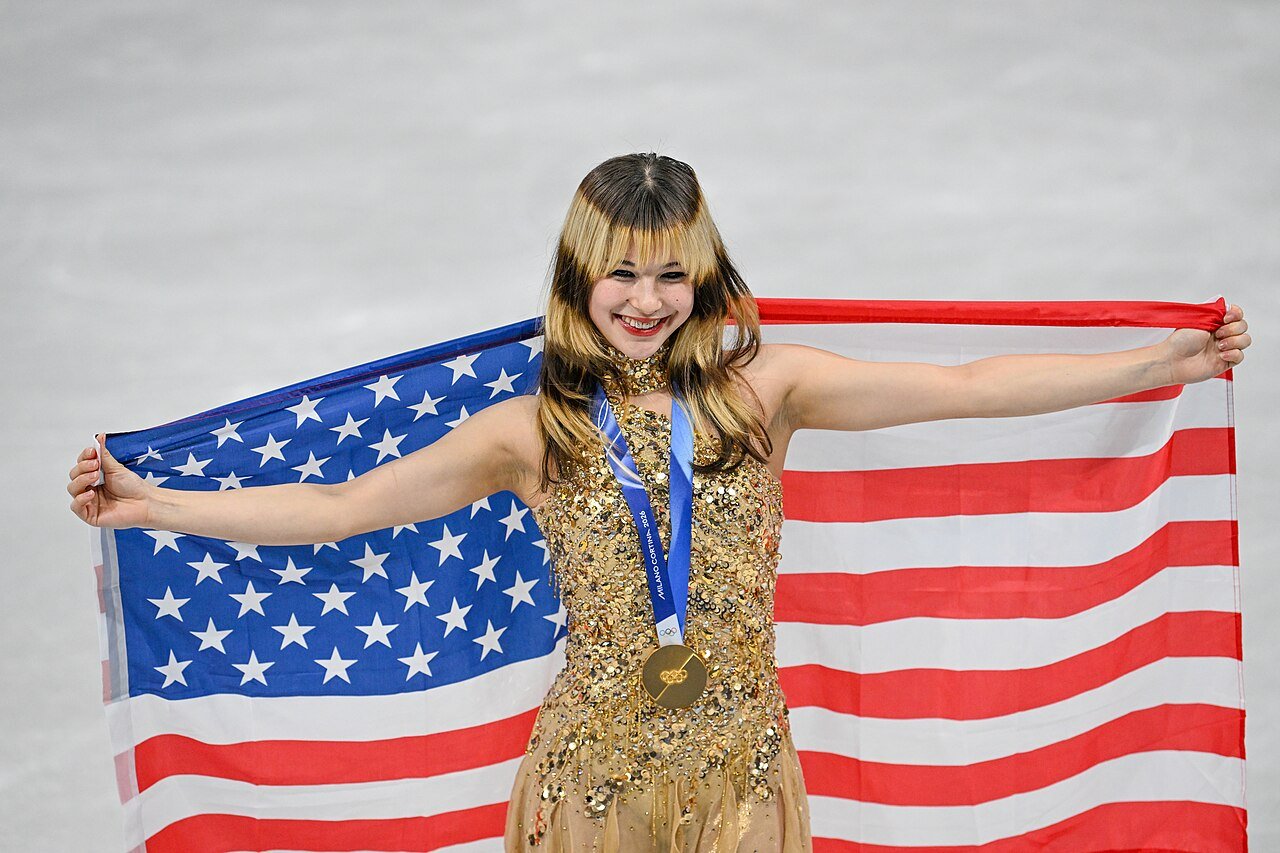
The overwhelming adoration showered on Alysa Liu after her 2026 Winter Olympics victory exposes a troubling cultural imbalance in America, one that elevates athletic spectacle far above genuine sacrifice. At just 20 years old, Liu became an instant national icon after winning gold in women’s figure skating, the first American woman to do so since 2002. What followed was a media explosion. TikToks dissected her zebra striped hair and “peak happiness” energy. She appeared on The Tonight Show Starring Jimmy Fallon to roaring applause. Corporations rushed to sign her. Her Instagram following surged from roughly 355,000 to over 6 million in a matter of weeks, even surpassing high profile athletes like Eileen Gu.
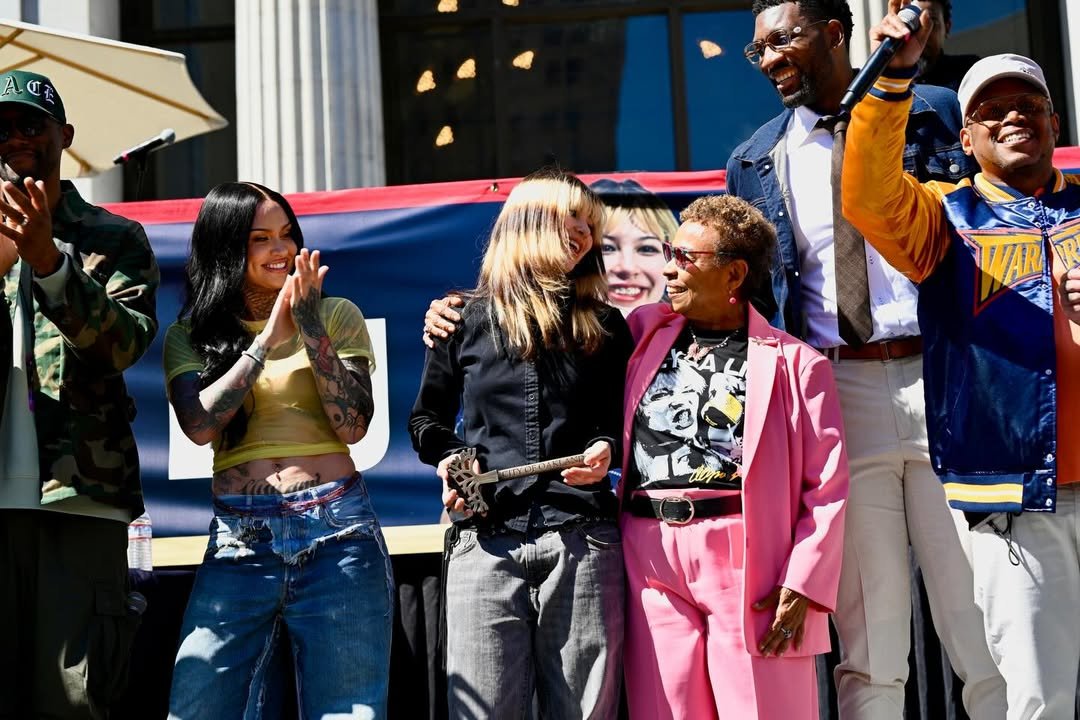
Back in Oakland, thousands gathered for a celebratory rally outside City Hall on March 12, 2026. Mayor Barbara Lee handed her the key to the city. There was live music, dance performances, and praise from celebrities like Kehlani and G Eazy. Liu embraced the moment, thanking her hometown and presenting herself as a symbol of resilience and joy. Her story, stepping away from skating at 16 due to burnout, then returning with a focus on mental health and enjoyment while studying at UCLA, has been packaged into a perfect narrative. She is no longer just an athlete. She is a brand, carefully framed as relatable, positive, and inspiring.
The Silence Around Real Sacrifice
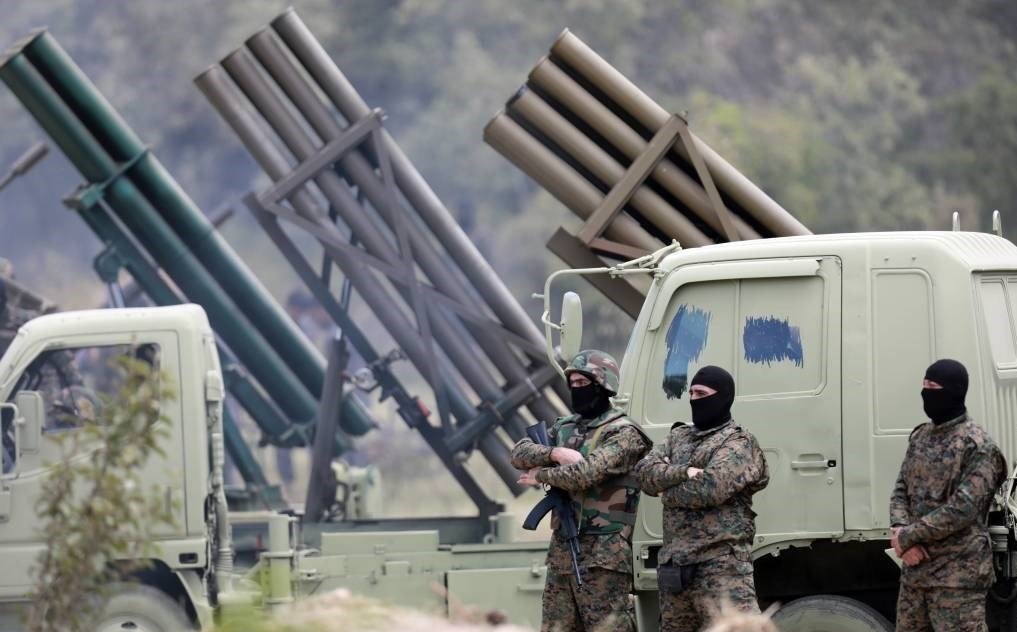
But this flood of attention stands in stark and uncomfortable contrast to the muted recognition given to U.S. service members who have died confronting threats tied to Iran’s regime and its proxies. These individuals did not perform in front of cheering crowds or trend on social media. They operated in hostile environments across the Middle East, facing real danger such as drones, rockets, ambushes, and improvised explosives, while protecting American interests and allies.
Iran’s influence has long fueled instability through groups like Hezbollah in Lebanon, the Houthis in Yemen, and various militias in Iraq and Syria. These groups have repeatedly targeted U.S. forces. The pattern is not new. The 1983 Beirut barracks bombing, linked to Iranian backed elements, killed 241 American service members. The Persian Gulf conflicts of the 1980s and ongoing operations against IRGC networks further highlight the persistent threat.
More recently, the risks have intensified. In January 2024, a drone strike by the Islamic Resistance in Iraq hit Tower 22 in Jordan, killing three U.S. Army Reserve soldiers, Sgt. William Rivers, Specialist Kennedy Sanders, and Specialist Breonna Moffett, and injuring dozens more. Despite the significance of these deaths, public attention was brief. There were official statements, a dignified transfer at Dover Air Force Base, and then silence.
The escalation in 2026 only deepened the disparity. Following joint U.S. Israel strikes on Iran in late February, retaliatory missile and drone attacks led to additional American casualties. On March 1, a drone strike on a command center in Port Shuaiba, Kuwait, killed six Army Reserve soldiers, including Capt. Cody Khork and Sgt. Noah Tietjens. Another soldier later died from injuries sustained in a separate attack in Saudi Arabia. Reports varied, but even conservative estimates confirmed multiple American deaths in a widening conflict. These were real losses, lives cut short under violent circumstances, yet they barely registered in the national consciousness.
Where is the equivalent public response? There are no viral tributes, no trending hashtags, no parades. No one analyzes their lives for entertainment value. Their names do not surge across social media. Their families receive folded flags, not endorsement deals. The nation offers polite acknowledgment, then quickly moves on.
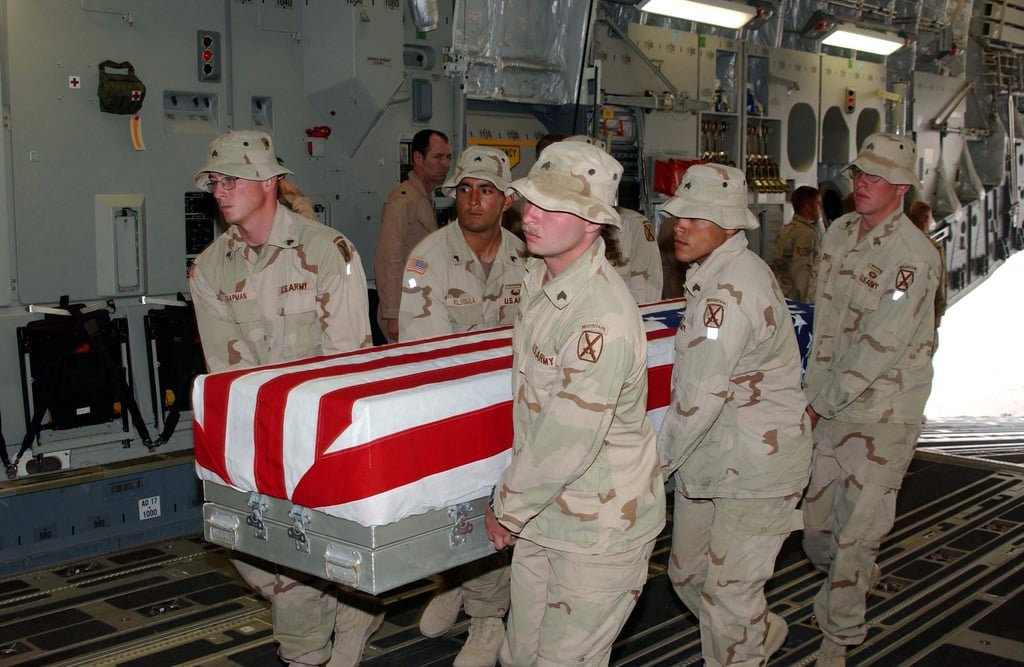
This imbalance reveals a deeper issue. Society eagerly celebrates performances that are visually appealing and emotionally easy to consume. Liu’s victory fits perfectly into this framework. It offers youthful energy, a comeback story, and a feel good narrative that requires no moral complexity. In contrast, military sacrifice forces confrontation with uncomfortable realities such as endless conflicts, geopolitical tension, and the human cost of foreign policy. It is far easier to celebrate a clean skating routine than to grapple with the consequences of war.
Hollywood’s Selective Spotlight
Hollywood rushed to elevate Alysa Liu into a glowing national symbol, amplifying her Olympic victory with late night appearances, viral clips, and feel-good storytelling that turned her into a marketable icon almost overnight. Her joy, style, and comeback narrative were packaged into something easy to celebrate and widely share. Yet, during the same period, the deaths of American soldiers in the Middle East received little sustained attention from that same cultural machine. There were no tributes on major entertainment platforms, no widespread storytelling, no comparable effort to humanize their lives or sacrifices for a broad audience. This contrast reveals a stark imbalance in what is considered worthy of visibility.
A Gold Medal With an Asterisk
And then there is the competition itself, an issue many prefer to ignore. Liu’s achievement, while impressive in execution, occurred in a field missing its most dominant force. Russian and Belarusian athletes, long the backbone of elite figure skating, were banned due to geopolitical tensions stemming from the war in Ukraine. For decades, Russian skaters have defined the sport, pushing technical limits with quad jumps and setting the global standard for excellence. Names like Kamila Valieva, Alexandra Trusova, and Anna Shcherbakova, or their successors, were absent.
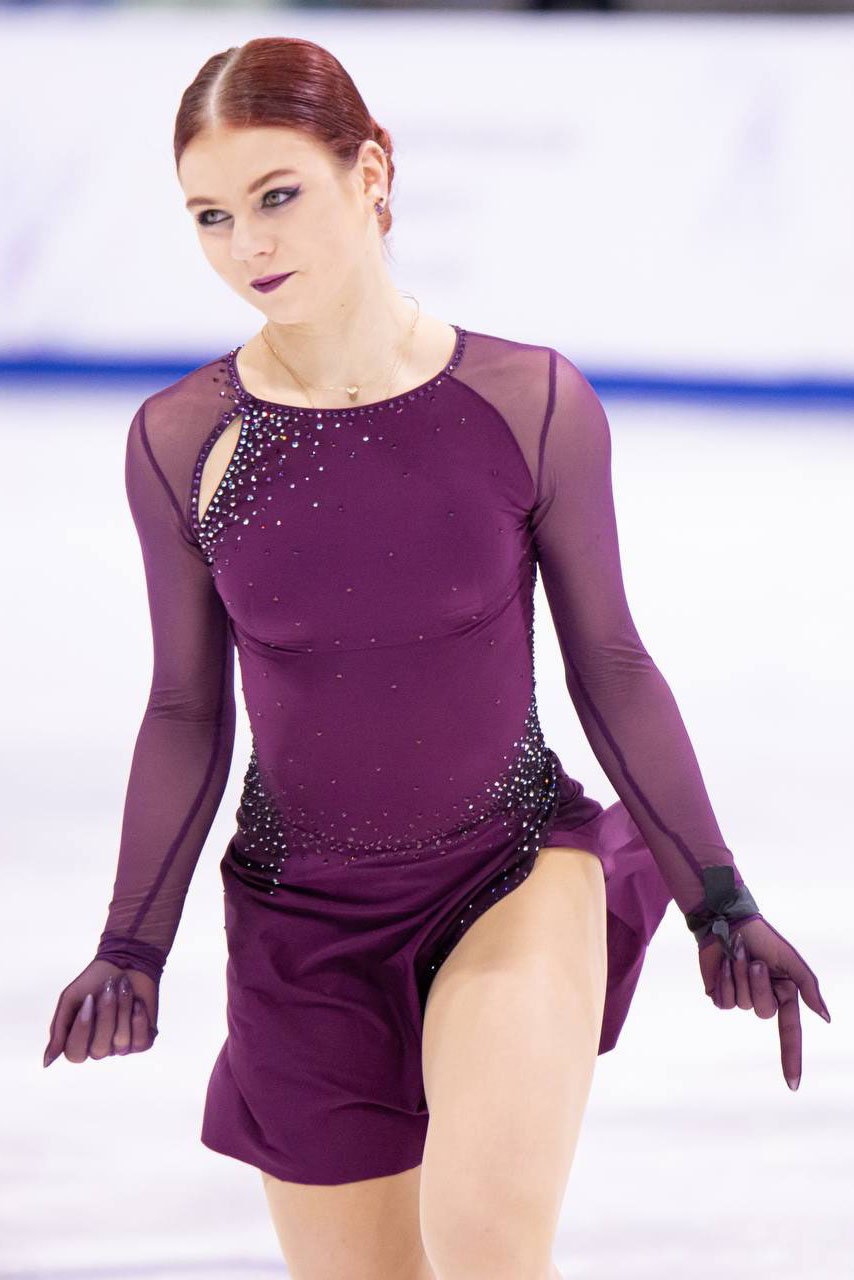
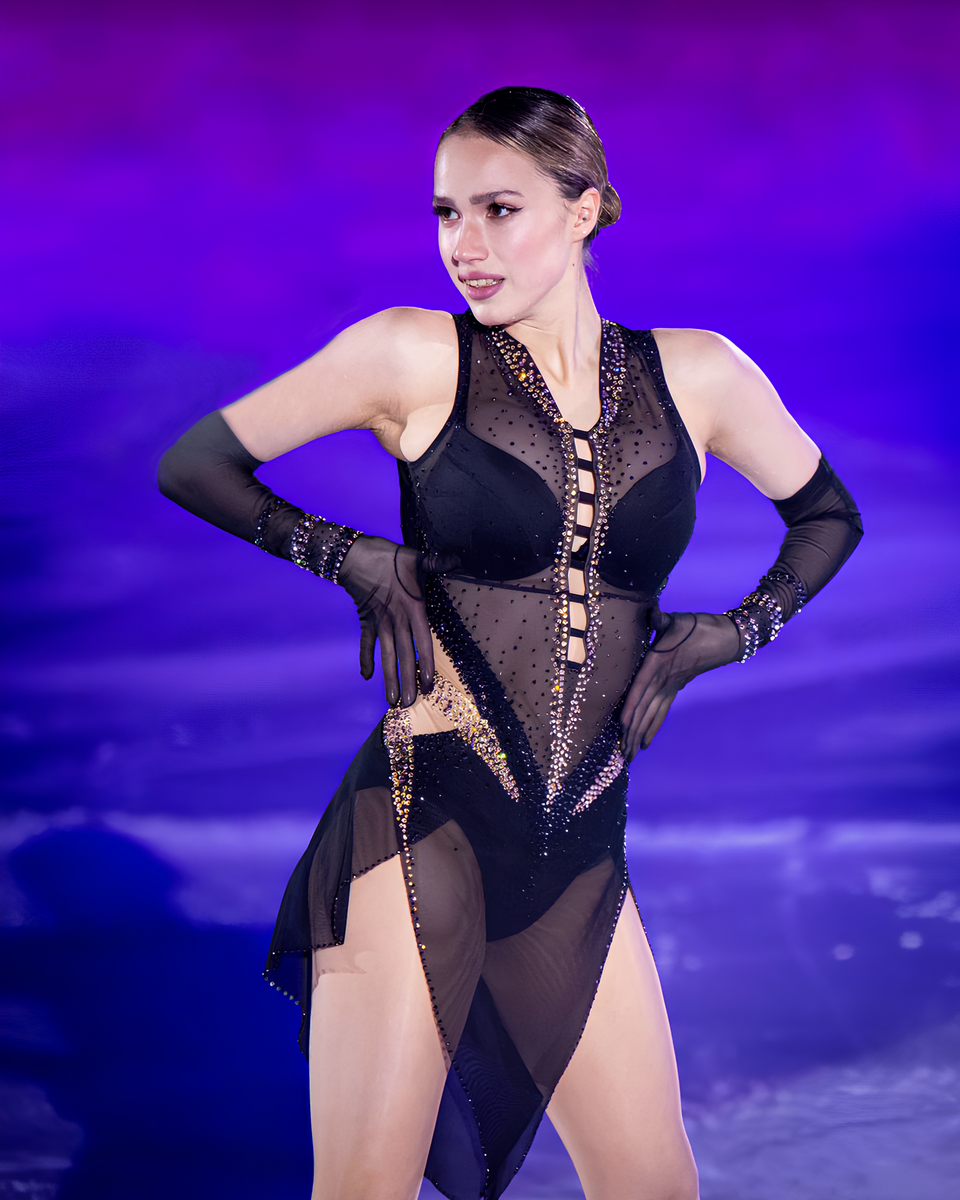
Without them, the competitive landscape changed dramatically. The podium still featured strong athletes, such as Japan’s Kaori Sakamoto and Ami Nakai, but the depth and intensity historically associated with the sport were diminished. Winning under these conditions does not erase Liu’s skill or dedication, but it does introduce an undeniable asterisk. It is difficult to claim absolute supremacy when the strongest competitors were removed from the field.
Spectacle vs Sacrifice
The comparison is unavoidable. Figure skating without Russian athletes is like boxing without heavyweights or basketball without elite international teams. The absence reshapes the contest. Liu performed brilliantly, but the environment in which she won was altered by forces beyond sport. None of this negates her effort. Elite training demands discipline, resilience, and sacrifice. Her comeback story is real, and her performance was strong. But the scale of her adoration is not purely organic. It is amplified by a culture that prioritizes spectacle over substance.
Meanwhile, those who face real danger in defense of the country remain largely invisible. Their sacrifices are acknowledged briefly, then absorbed into the background noise of policy debates and shifting headlines. There are no cinematic narratives built around their lives, no viral celebrations of their courage.
Where is their viral fame? Where are the parades, the endorsement millions, the “joyful” montages? A soldier dies protecting supply lines or deterring Iranian aggression, and the coverage is a brief obituary or policy debate. No zebra-striped hair memes. No “first in 24 years” hype for their quiet heroism. Liu gets magazine covers and Olympic glory for spinning on ice in a sanitized arena; these heroes get folded flags and hollow “thank you for your service” platitudes while politicians grandstand. The contrast exposes a grotesque inversion of values. We elevate performative excellence in sports especially when politics clears the path while true protectors of freedom fade into anonymity.
This isn’t to diminish Liu’s personal effort. Training at elite levels demands discipline, and her comeback story shows grit. But popularity isn’t earned in a vacuum. It’s manufactured by media that thrives on accessible narratives: young, photogenic, American underdog triumphs over… well, a field missing its giants. Soldiers’ stories are messier politics, endless wars, moral ambiguities in the Middle East. Iran isn’t a clean villain in every headline, yet the threats are real: proxy wars, hostage diplomacy, nuclear brinkmanship. Americans have died confronting them, shielding allies and homeland security. Their families receive folded flags at Arlington, not book deals or sneaker lines.
When we question Liu’s skyrocketing fame without skepticism, we reveal a cultural rot. Why does a figure skater’s clean program warrant wall-to-wall coverage while a service member’s casket procession barely registers? Is it because skating is glamorous, apolitical on the surface, and easy to package for clicks? Or because acknowledging military sacrifice demands confronting uncomfortable truths about foreign policy failures, endless engagements, and the human cost of countering Iran? Liu’s win fits the script of effortless American exceptionalism in a post-ban bubble. Fallen soldiers remind us of the gritty, unglamorous reality.
Critics will accuse this view of politicizing sports or disrespecting achievement. But ignoring the Russian absence is the real disrespect to the Olympic spirit and to fans who crave authentic competition. Liu’s gold is hers, technically. Celebrate the performance if you must. But let’s not pretend it’s untouchable legend status. And her popularity? It’s a symptom of misplaced priorities. Sports stars shine under artificial lights; true heroes bleed under real fire. Liu’s moment will fade with the next Games. The graves of the fallen endure. Perhaps it’s time we questioned why one commands parades and the other silence. In a world quick to crown glitter on ice, the quiet guardians of liberty deserve far more than footnotes.
Leave a Reply